
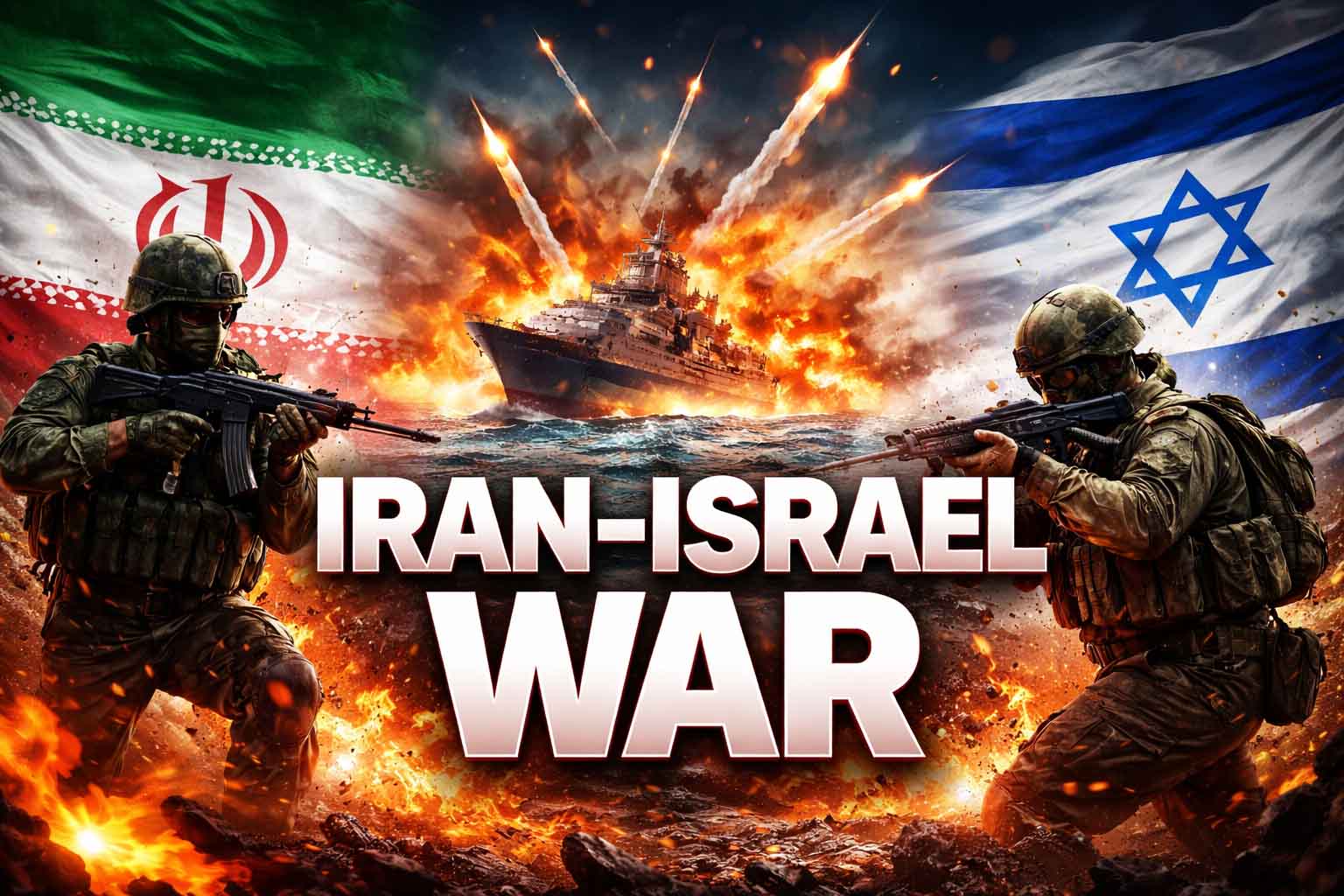
Iran–Israel War 2026 Update: Missile Strikes, Iranian Navy Ship Sinking & Global Power Politics
The Middle East is once again at the center of global geopolitical tensions. The ongoing war between Iran and Israel, supported by powerful international allies, has rapidly escalated into one of the most dangerous conflicts of the decade.
What began as targeted military strikes has now evolved into a broader regional confrontation involving missiles, naval incidents, cyber warfare, and strategic alliances.
As of March 9, 2026, Iranian missile attacks have hit Israeli territory, Israeli and U.S. forces continue to strike targets inside Iran, and a controversial naval incident involving the Iranian warship IRIS Dena has raised serious questions about international involvement.
Timeline of the Iran–Israel War Escalation
The Initial Strike That Changed Everything
The conflict dramatically escalated after a series of coordinated strikes reportedly carried out by Israel and the United States against strategic Iranian targets.
According to reports, the attacks targeted military bases, missile launch sites, oil and fuel infrastructure, and key command centers. These strikes caused major damage in several Iranian cities, including Tehran and Isfahan.
Several high-ranking Iranian military commanders were reportedly killed, triggering immediate retaliation from Iran.
Source: https://time.com/7383099/iran-news-oil-strikes-tehran/
Iran's Retaliation: Ballistic Missile Attacks on Israel
Missile Barrages Target Central Israel
In response to the initial strikes, Iran launched multiple waves of ballistic missiles and drones toward Israeli territory.
Israeli defense systems intercepted many of the missiles, but some strikes reportedly hit areas in central Israel, causing casualties and infrastructure damage.
Reports from international media confirm that civilians were killed and injured during the attacks, highlighting the growing risk of escalation.
Israel’s Defense Systems Under Pressure
Israel relies heavily on advanced defense systems such as Iron Dome, David's Sling, and the Arrow Missile Defense System.
These systems intercept incoming missiles, but large-scale missile barrages can overwhelm defenses, especially when launched in multiple waves.
Iran’s strategy appears to involve testing the limits of Israel’s missile defense infrastructure.
Israeli and U.S. Counterstrikes Inside Iran
Strategic Bombing Campaign
Following Iran’s retaliation, Israel and the United States intensified their operations against Iranian military infrastructure.
Targets reportedly included fuel depots, underground missile storage sites, air defense installations, and military research facilities.
One of the most dramatic developments occurred when fuel storage sites in Tehran were struck, creating massive fires and toxic smoke across parts of the city.
Source: https://time.com/7383099/iran-news-oil-strikes-tehran/
Economic and Environmental Impact
The strikes triggered significant economic and environmental consequences including large fires near industrial zones, pollution and hazardous smoke in urban areas, and fuel shortages in parts of Iran.
The Iranian Navy Ship Incident: IRIS Dena
A Naval Incident That Sparked Global Debate
One of the most controversial developments in the war is the sinking of the Iranian naval frigate IRIS Dena.
The ship had previously participated in MILAN 2026, a multinational naval exercise hosted by India.
After leaving the exercise and heading back toward Iranian waters, the warship reportedly encountered a U.S. submarine in the Indian Ocean.
According to reports, the submarine torpedoed the Iranian frigate near Sri Lanka, causing heavy casualties among the crew.
Source: https://apnews.com/article/8789cf718b1ebf8b571cb8ef5d785150
Casualties and Aftermath
Reports indicate that dozens of Iranian sailors were killed, many others were reported missing, and survivors were rescued by regional naval forces.
India’s Unexpected Role in the Controversy
Iranian Warship Docking in India
Before the sinking of IRIS Dena, another Iranian warship, IRIS Lavan, had docked in the Indian port city of Kochi due to technical issues.
The crew reportedly received humanitarian assistance and logistical support while the ship remained in port.
Why India Became Part of the Narrative
Because the Iranian ships had recently been involved in naval exercises hosted by India, some analysts questioned whether the ships were tracked during the exercises or if intelligence about their movements became known.
However, there is no verified evidence that India provided intelligence or was involved in the attack.
Global Geopolitics Behind the War
Many experts believe the Iran–Israel war reflects a broader geopolitical struggle involving major powers including the United States, Israel, Iran, Gulf states, Russia, and China.
These powers have interests in energy security, maritime trade routes, military influence, and regional alliances.
Possible Future Scenarios
1. Continued missile exchanges between Iran and Israel.
2. Expansion into a regional war involving Lebanon, Syria, or the Persian Gulf.
3. Diplomatic intervention from global mediators.
Conclusion
The Iran–Israel war has already evolved into a complex geopolitical crisis involving missile strikes, naval incidents, and global alliances.
Key developments include Iranian missile attacks on Israel, Israeli and U.S. airstrikes inside Iran, and the sinking of the Iranian warship IRIS Dena.
As of March 2026, the conflict shows no immediate signs of ending and may reshape the balance of power across the Middle East for years to come.
About the Author
Ahsan writes about technology, global news, and digital trends. His articles focus on simplifying complex topics and helping readers understand important global developments.
Comments (0)
No comments yet. Be the first to comment.
Related Posts
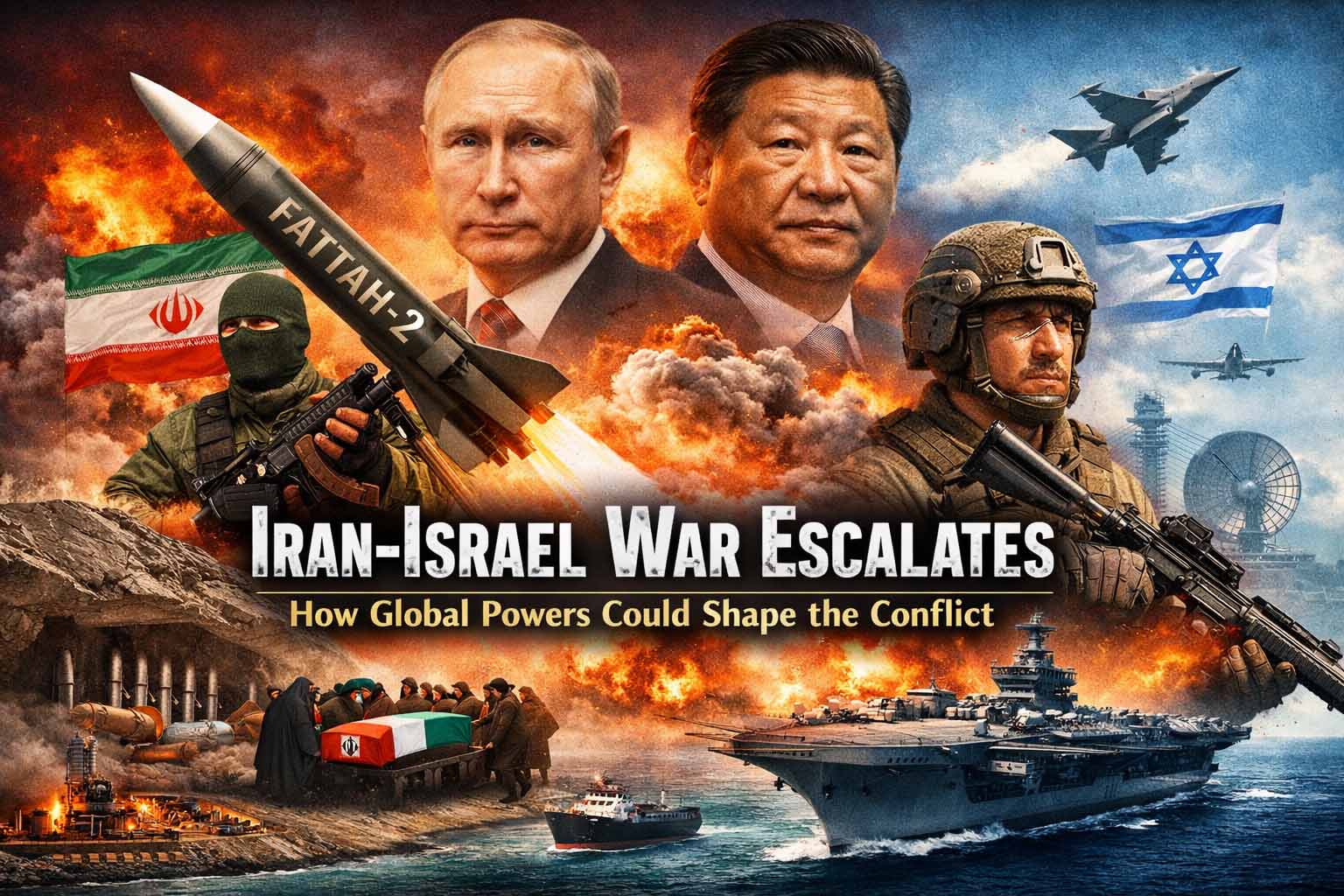
Middle East conflict escalation map
A deep analysis of the Iran–Israel war, exploring military escalation, global power involvement, oil market risks, and the possibility of a wider geopolitical conflict.

The Education Business
Over the past decade, a new industry has emerged at the intersection of technology and learning: EdTech (Education Technology).
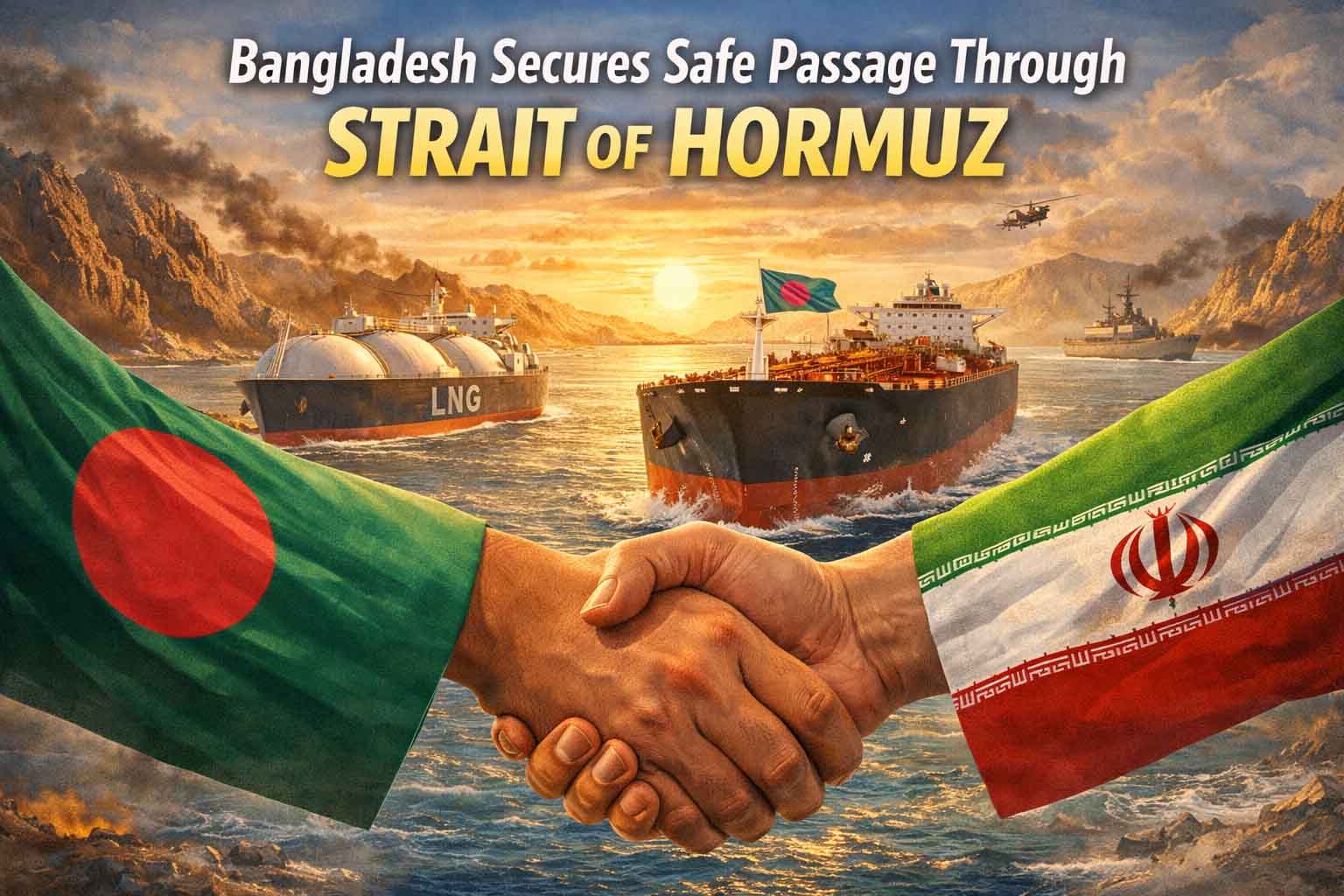
Bangladesh Secures Safe Passage Through Strait of Hormuz
Bangladesh receives rare safe passage for oil and LNG tankers through the Strait of Hormuz amid the US-Israel-Iran conflict, helping secure the country's fuel supply.