
Cost of Iran War: How Much the US Spends Per Day
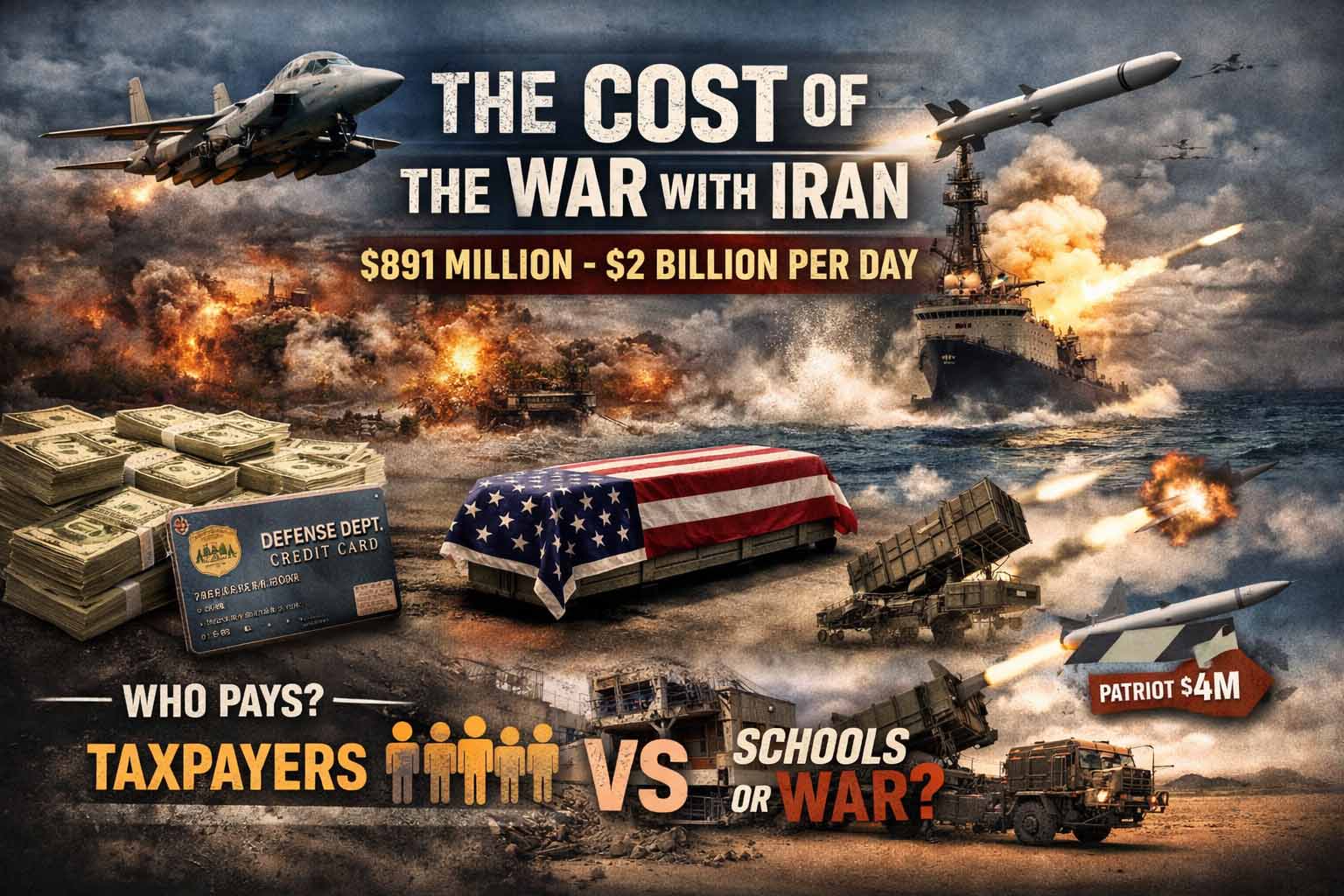
Modern warfare is not only fought with missiles and aircraft—it is also fought with money. In the first 100 hours of the U.S. military campaign against Iran, analysts estimate that Washington spent around $3.7 billion, averaging roughly $891 million per day.
This staggering figure is larger than the entire annual military budgets of more than 100 countries in 2024. Yet surprisingly, less than 5% of this spending had been pre-approved by the U.S. Congress, meaning most of the bill will have to be funded later.
So how does the cost of war add up so quickly?
Breakdown of the First 100 Hours of War
Military analysts divide the initial $3.7 billion cost into three main categories:
1. Operational Costs – $196 Million
This includes the cost of maintaining military forces in the region:
Over 200 fighter jets deployed
Multiple U.S. Navy warships and aircraft carriers
Ground artillery and logistics
Fuel, maintenance, and personnel support
Only about $178 million of this amount was already budgeted, meaning the majority still requires congressional approval.
2. Munitions Used – $3.1 Billion
The largest expense is replacing the weapons fired during the campaign.
Key weapons used include:
Tomahawk cruise missiles costing around $2–2.5 million each
JDAM precision bombs costing roughly $25,000–$84,000 per unit
During the first days of war, the U.S. used some of its most expensive precision weapons because Iran's air defense systems were still fully operational.
3. Combat Losses – Around $350 Million
Losses in combat also add significantly to the total.
For example:
Three F-15E Strike Eagle jets were reportedly destroyed.
Replacing them could cost around $282 million or more.
The Expensive Problem of Defense
Ironically, defending against attacks can be even more expensive than attacking.
Iran has relied heavily on low-cost weapons like drones.
For example:
Shahed-136 drone cost: about $35,000
Patriot interceptor missile used to shoot it down: about $4 million
That means it can cost over 100 times more to destroy a drone than to launch one.
During the first days of the conflict:
Iran reportedly launched 500+ ballistic missiles
And over 2,000 drones
Many of these were intercepted by U.S. and Gulf allies, which dramatically increased defense costs.
Daily Cost of the War
Based on early estimates:
First 100 hours: $3.7 billion total
Average daily cost: about $891 million per day
However, another Pentagon briefing suggested the cost could be even higher.
Reports indicate the first six days of the war may have cost over $11.3 billion, or nearly $1.9 billion per day.
Some U.S. lawmakers believe the real cost could eventually double these estimates.
Who Pays for the War?
Ultimately, American taxpayers fund the war through government spending.
But because much of the money was not pre-approved, Washington has several options:
1. Emergency Supplemental Bill
The President can ask Congress for special war funding, similar to what happened during the Iraq and Afghanistan wars.
2. Redirect Existing Budget Funds
Money could be shifted from other programs within a large spending bill.
3. Future Defense Budgets
The Pentagon may include these costs in upcoming annual military budgets.
Until Congress approves the funds, the government is effectively running the war on credit.
The Opportunity Cost of War
To understand the scale of this spending, consider this comparison:
Four days of war: $3.7 billion
Estimated cost to rebuild every school in Gaza: about $3.8 billion
In other words, just four days of military operations could fund massive reconstruction and education projects elsewhere in the world.
Conclusion
The Iran conflict highlights the enormous financial burden of modern warfare. Precision weapons, advanced aircraft, and sophisticated missile defense systems make conflicts extremely expensive—even in their earliest stages.
With costs approaching $1 billion to $2 billion per day, the long-term financial impact of the war will depend on how long the conflict lasts and how intense the fighting becomes.
One thing is clear: in modern war, the economic battlefield can be just as significant as the military one.
FAQ
How much did the U.S. spend in the first 100 hours of the Iran war?
The United States reportedly spent about $3.7 billion during the first 100 hours of the conflict with Iran. This includes operational costs, munitions used in strikes, and combat equipment losses.
How much does the war with Iran cost per day?
Based on early estimates, the war costs approximately $891 million per day, although some analysts and lawmakers believe the real daily cost could reach $1.5–$2 billion depending on the intensity of operations.
What are the biggest expenses in modern warfare?
The largest expenses in modern war usually include:
Precision munitions and missiles
Aircraft and naval operations
Missile defense systems
Combat equipment losses
In the early stages of the Iran conflict, over $3.1 billion was spent on munitions alone.
Why is defending against drones so expensive?
Low-cost drones like the Shahed-136 may cost around $50,000, but intercepting them often requires advanced missile systems that cost millions of dollars per shot. This creates a significant cost imbalance between offense and defense.
Who pays for U.S. war expenses?
War expenses are funded by the U.S. federal government, which ultimately means American taxpayers pay for the costs through government spending and defense budgets approved by Congress.
How does the U.S. government pay for unexpected war costs?
The U.S. government usually pays for sudden war expenses through:
Emergency supplemental spending bills
Redirecting funds from existing budgets
Future defense budget allocations
Why are the first days of a war the most expensive?
The early phase of a war often uses high-precision and high-cost weapons such as cruise missiles and advanced bombs to destroy air defenses, radar systems, and military infrastructure. These weapons significantly increase the initial cost of the conflict.
References:
Indian Strategic Studies: $3.7 Billion: Estimated Cost of Epic Fury’s First 100 Hours
Indian Strategic Studies: $3.7 Billion: Estimated Cost of Epic Fury’s First 100 Hours
Pentagon estimates Iran war cost more than $11.3 billion in first six days | Fox News
Three F-15E Strike Eagles Lost in One Morning: Analyzing Strategic, Financial Impact of Costliest Friendly Fire Incident | Defense Express
Tomahawk missile - Wikipedia
U.S. Orders Additional Tomahawk Cruise Missiles Even Cheaper Due to Large Order | Defense Express
U.S. Orders Additional Tomahawk Cruise Missiles Even Cheaper Due to Large Order | Defense Express
Boeing wins $7.5 billion contract from US Air Force for guided bombs
Boeing wins $7.5 billion contract from US Air Force for guided bombs
What to know about Iran's low-cost, long-range Shahed drones wreaking havoc in the Middle East - Good Morning America
Iran said to claim it has launched 500 missiles, 2,000 drones since start of war | The Times of Israel
About the Author
Ahsan writes about technology, global news, and digital trends. His articles focus on simplifying complex topics and helping readers understand important global developments.
Comments (0)
No comments yet. Be the first to comment.
Related Posts
Middle East conflict escalation map
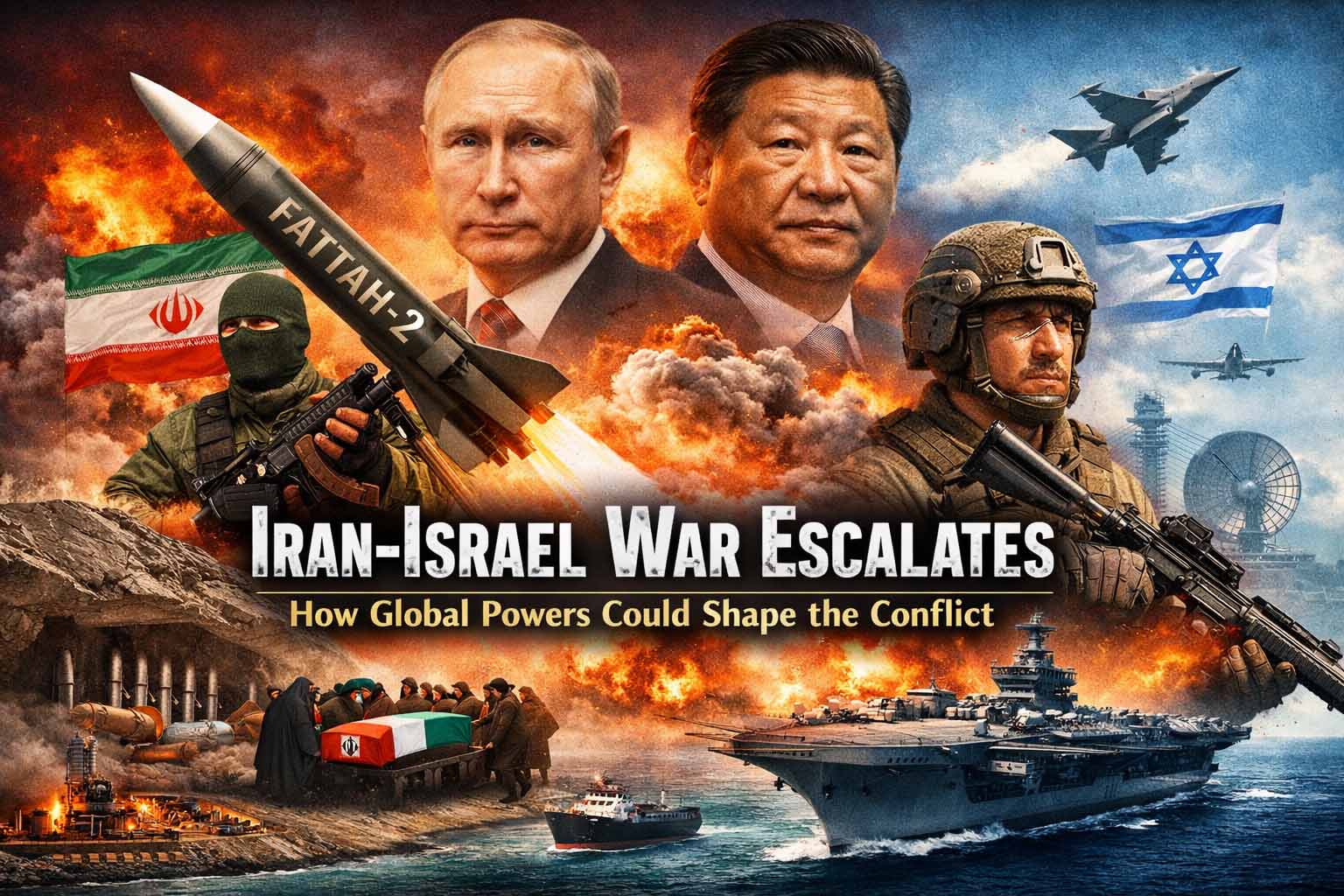
A deep analysis of the Iran–Israel war, exploring military escalation, global power involvement, oil market risks, and the possibility of a wider geopolitical conflict.

The Education Business
Over the past decade, a new industry has emerged at the intersection of technology and learning: EdTech (Education Technology).
Iran–Israel War 2026 Update: Missile Strikes, Iranian Navy Ship Sinking & Global Power Politics
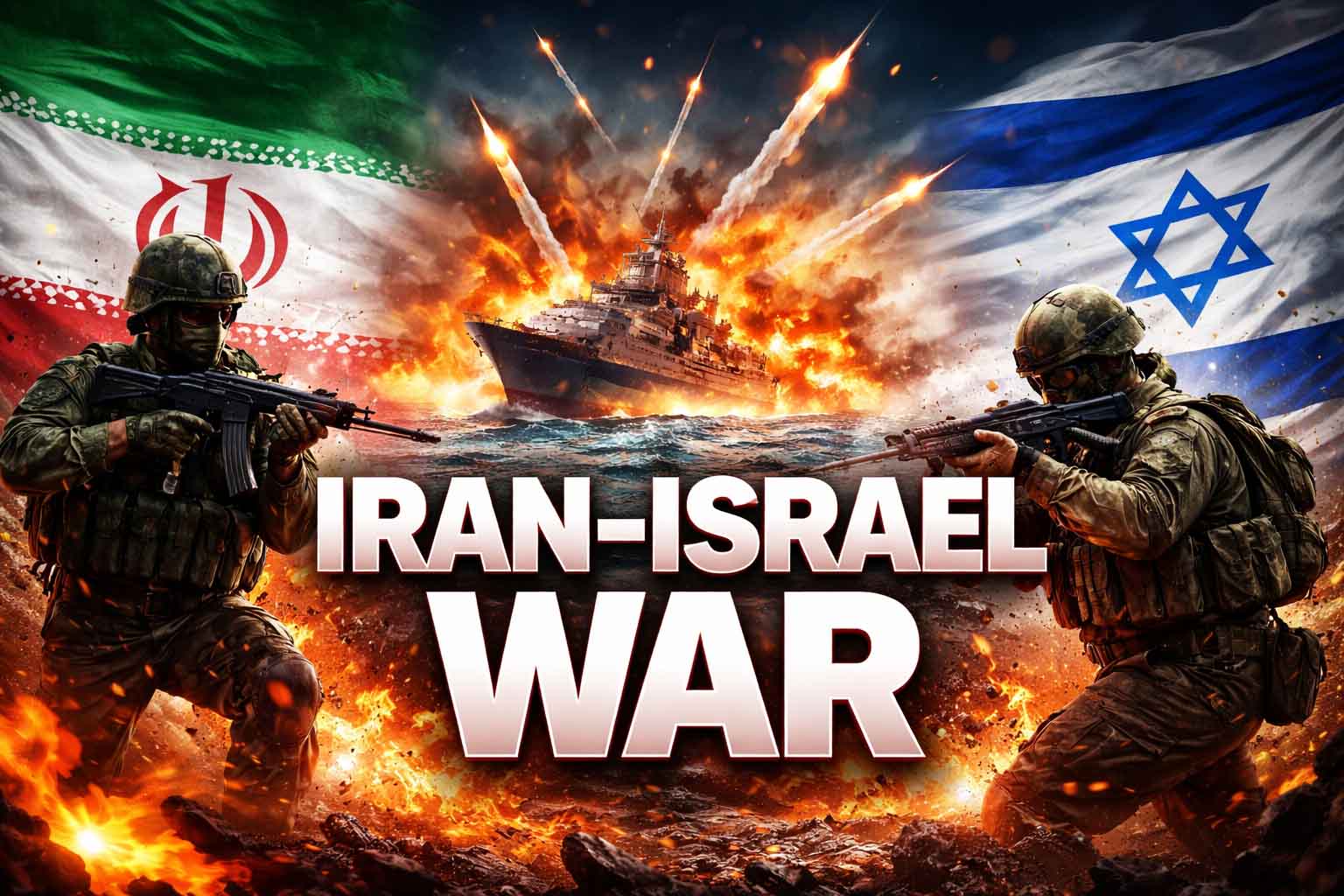
Latest Iran–Israel war update (March 2026): Iranian missile strikes on Israel, the sinking of the Iranian warship IRIS Dena, and the geopolitical tensions involving the US, Israel, and India.